My Gums Are Pulling Back — Should I See a Periodontist?
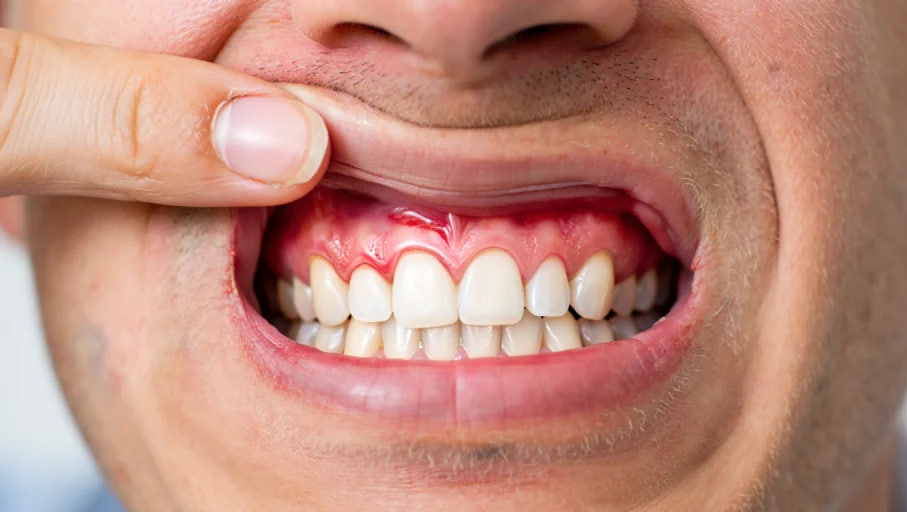
Noticing that your gums are pulling back can feel worrying. Your teeth may look longer than before. You may feel sensitivity near the gumline. You may also notice bleeding, bad breath, or small gaps appearing between your teeth. If you are searching for a Periodontist Forest Hill, it is worth understanding what receding gums can mean and when specialist care may help.
At London Dental Arts, we often see patients who say, “My gums look lower than they used to. Can they grow back?” The answer depends on the cause, the stage of the problem, and how soon it is treated.
What are receding gums?
Receding gums happen when the gum tissue moves away from the tooth. This can expose more of the tooth or even part of the root.
You may notice:
- teeth looking longer
- sensitivity to cold drinks
- bleeding when brushing
- bad breath
- gum soreness
- gaps near the gumline
- loose teeth
- food trapping between teeth
- changes in your smile
Gum recession can happen slowly. That is why many people do not notice it until it becomes more visible.
Can receding gums grow back?
Gum tissue does not usually grow back on its own once it has receded. But treatment can often help stop the problem from getting worse.
The first step is to find the cause. A dentist or periodontist can check your gums, measure pocket depths, assess bone support, and look for signs of gum disease.
If you are looking for help with receding gums Forest Hill, early advice can make a big difference.
What causes gums to pull back?
Gum recession can have several causes. Sometimes there is more than one reason.
Common causes include:
- gum disease
- brushing too hard
- using a hard toothbrush
- plaque and tartar build-up
- smoking
- teeth grinding
- crooked teeth
- thin gum tissue
- previous orthodontic movement
- lip or tongue piercings
- ageing
- poor cleaning between teeth
Some causes are linked to daily habits. Others need dental or specialist treatment.
Is gum recession the same as gum disease?
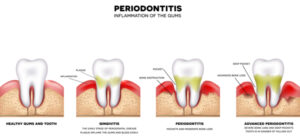
Not always. You can have gum recession without active gum disease. For example, brushing too hard can wear the gumline over time.
But gum recession can also be a sign of gum disease. This is more serious because gum disease can damage the bone and tissues that support the teeth.
Signs of gum disease may include:
- bleeding gums
- swollen gums
- bad breath
- loose teeth
- gum pockets
- pus around the gums
- teeth moving position
- pain when chewing
If these signs are present, you may need care from a gum disease specialist London patients trust for more advanced gum problems.
When should I see a periodontist?
A periodontist is a dentist with advanced training in gum disease and the supporting structures around the teeth.
You may need to see a periodontist if:
- your gums keep bleeding
- your gums are receding quickly
- you have deep gum pockets
- your teeth feel loose
- you have lost bone around your teeth
- gum treatment has not solved the problem
- you have advanced gum disease
- you are planning implants but have gum problems
- your dentist recommends specialist care
Seeing a periodontist does not mean your teeth cannot be saved. It means your gums need more detailed assessment and care.
What happens during a gum assessment?
Your dentist or periodontist will examine your gums carefully. They may measure the spaces between your teeth and gums. These are called gum pockets.
They may also check:
- plaque levels
- tartar build-up
- gum bleeding
- tooth movement
- bone levels
- bite pressure
- brushing technique
- medical history
- smoking habits
X-rays or scans may be used to check the bone around your teeth.
This helps create a clear treatment plan.
How are receding gums treated?
Treatment depends on the cause.
If gum recession is linked to brushing too hard, your dentist may show you a gentler brushing method and recommend a softer toothbrush.
If plaque or tartar is causing inflammation, hygiene treatment may help.
If gum disease is present, deeper cleaning may be needed below the gumline.
Treatment may include:
- hygiene appointments
- improved home care advice
- gum disease treatment
- deep cleaning
- review appointments
- bite checks
- treatment for teeth grinding
- referral to a periodontist
- gum grafting in selected cases
The goal is to control the cause and protect the teeth.
Can receding gums cause sensitivity?
Yes. When gums recede, the root surface can become exposed. This area is more sensitive than enamel.
You may feel pain or sharp sensitivity when having:
- cold drinks
- hot drinks
- sweet foods
- acidic foods
- brushing near the gumline
Sensitivity does not always mean the tooth is badly damaged. But it should be checked, especially if it is new or getting worse.
Can receding gums lead to tooth loss?
If recession is caused by gum disease and is not treated, it can lead to bone loss. Over time, this can make teeth loose.
Not every case of gum recession leads to tooth loss. But it should not be ignored.
The earlier the problem is assessed, the more options you may have.
How can I stop gum recession getting worse?
You can help protect your gums by:
- brushing gently
- using a soft toothbrush
- cleaning between your teeth daily
- seeing the hygienist as advised
- stopping smoking if possible
- treating gum disease early
- wearing a night guard if you grind your teeth
- attending regular dental check-ups
- asking for advice if your gums bleed
A good home routine matters. But if gum disease is present, home care alone may not be enough.
Should I see a dentist or a periodontist first?
If you are unsure, start with a dentist in Forest Hill for an assessment. They can check your gums and advise whether general gum care is enough or whether you should see a periodontist.
If the problem is advanced, specialist periodontal care may be the best next step.
When should I book an appointment?
You should book a gum assessment if:
- your gums are pulling back
- your teeth look longer
- your gums bleed when brushing
- you have bad breath that does not improve
- your teeth feel loose
- you have gum sensitivity
- food keeps getting stuck near the gumline
- your dentist has mentioned gum pockets
- you are worried about losing teeth
Do not wait until the teeth feel loose. Gum problems are often easier to manage when treated early.
Final thoughts
Gums pulling back can be a sign of brushing habits, thin gum tissue, bite pressure, or gum disease. The most important step is to find the cause.
Receding gums do not usually grow back on their own. But with the right care, it may be possible to stop the problem getting worse and protect your teeth.
At London Dental Arts, we can assess your gums, explain what is happening, and advise whether you need hygiene care, gum disease treatment, or specialist periodontal support.
FAQs
Are receding gums serious?
They can be. Mild recession may be linked to brushing habits, but recession caused by gum disease can affect the bone and support around your teeth.
Can receding gums be reversed?
Gums do not usually grow back naturally. Treatment focuses on stopping further recession and managing the cause. In some cases, specialist gum treatment may be considered.
Why do my gums bleed when I brush?
Bleeding gums are often linked to inflammation from plaque build-up. They can also be a sign of gum disease and should be checked.
Do I need a periodontist for gum recession?
You may need a periodontist if the recession is advanced, linked to gum disease, or affecting the support around your teeth.
Can brushing too hard cause gum recession?
Yes. Brushing too hard or using a hard toothbrush can damage the gumline over time. A dentist or hygienist can show you a safer technique.