Do I Need a Filling If My Tooth Doesn’t Hurt?
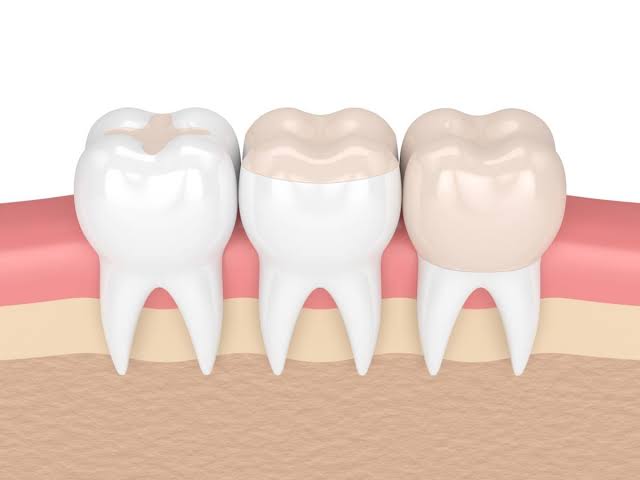
It is easy to ignore a cavity when there is no pain. You may think, “If it does not hurt, it cannot be serious.” But tooth decay can often develop quietly. By the time pain starts, the problem may already be deeper. If you are looking into Composite Fillings Forest Hill, this guide explains why early treatment can help protect your tooth.
At London Dental Arts, many patients are surprised when a dentist finds decay during a check-up. They often say, “But I didn’t feel anything.” This is very common. A tooth can have decay without causing pain at first.
Can a cavity exist without pain?
Yes. A cavity can start in the outer layer of the tooth, called enamel. Enamel does not contain nerves, so early decay may not hurt.
As decay gets deeper, it can move closer to the softer inner layers of the tooth. This is when symptoms may begin.
You may notice:
- sensitivity to cold drinks
- pain with sweet foods
- food getting stuck
- rough or sharp edges
- a dark mark on the tooth
- mild discomfort when chewing
- bad taste near one tooth
- floss catching or shredding
But some cavities still cause no clear symptoms. That is why regular dental check-ups matter.
Why does tooth decay happen?
Tooth decay happens when bacteria in plaque produce acids. These acids attack the tooth surface.
This can be affected by:
- sugary foods and drinks
- frequent snacking
- poor brushing
- not cleaning between teeth
- dry mouth
- old fillings with gaps
- deep grooves in the teeth
- missed dental check-ups
Decay often starts small. But it can grow if it is not treated.

What is a composite filling?
A composite filling is a tooth-coloured filling used to repair decay or small damage. It is shaped and polished to blend with your natural tooth.
Many patients choose white fillings Forest Hill because they want a natural-looking result. Composite fillings can be used on front or back teeth, depending on the case.
The aim is to remove the decay and restore the tooth before the problem becomes bigger.
Why treat decay before it hurts?
Pain is not always the best warning sign. Waiting for pain may mean the decay has reached deeper parts of the tooth.
Early treatment can help:
- preserve more of the natural tooth
- reduce the risk of infection
- avoid larger restorations
- lower the chance of needing root canal treatment
- protect your bite
- stop food trapping
- improve comfort when eating
A small filling is often simpler than treating a badly damaged or infected tooth.
What happens if I ignore a small cavity?
If decay is left untreated, it may spread deeper into the tooth.
This can lead to:
- sensitivity
- toothache
- infection
- swelling
- broken tooth structure
- need for a larger filling
- need for a crown
- root canal treatment
- tooth removal in severe cases
Not every small cavity becomes urgent straight away. But decay does not repair itself once a hole has formed.
Can early decay be reversed?
Very early enamel changes may sometimes be managed with better cleaning, fluoride, and diet changes. Your dentist will explain whether this is possible.
But once there is a clear cavity or broken tooth surface, a filling is often needed.
That is why a dental assessment is important. It helps your dentist decide whether to monitor, prevent, or treat.
How does a dentist find decay?
A dentist may check your teeth with:
- a visual examination
- gentle probing
- dental X-rays
- bite assessment
- checking old fillings
- asking about symptoms
- reviewing your decay risk
X-rays can help find decay between teeth, where it may not be easy to see.
If you are looking for tooth decay treatment Forest Hill, a check-up can show whether the cavity is small, deep, or close to the nerve.
Does having a filling hurt?
Most fillings are done with local anaesthetic if needed. This numbs the area so treatment is more comfortable.
Some very small fillings may not need anaesthetic. Your dentist will explain what is suitable before treatment starts.
After a filling, the tooth may feel slightly sensitive for a short time. This often settles. If the bite feels high or the sensitivity does not improve, you should contact the practice.
How long does a composite filling last?
A composite filling can last for many years with good care. Its lifespan depends on:
- the size of the filling
- where it is in the mouth
- your bite
- whether you grind your teeth
- your cleaning routine
- diet and sugar intake
- regular dental reviews
Larger fillings can be more likely to wear or chip over time. Your dentist will check them during routine appointments.
Can a filling look natural?
Yes. Composite fillings are designed to match the shade of your tooth. They can often blend well with your natural smile.
This is one reason many patients prefer composite fillings, especially for visible teeth.
Your dentist will shape and polish the filling so it feels smooth and comfortable.
How can I avoid needing more fillings?
You can lower your risk of decay by:
- brushing twice a day with fluoride toothpaste
- cleaning between your teeth daily
- reducing sugary snacks and drinks
- avoiding frequent sipping of sweet drinks
- seeing the hygienist as advised
- attending regular check-ups
- asking about fluoride support if you are high risk
- replacing leaking or broken fillings when needed
Prevention is always better than waiting for pain.
When should I book an appointment?
You should book with a dentist in Forest Hill if:
- you have been told you need a filling
- food keeps getting stuck in one tooth
- you notice a dark mark or hole
- your floss keeps catching
- a filling feels loose or broken
- you have sensitivity to cold or sweet foods
- part of a tooth has chipped
- you have not had a check-up for a while
Even if there is no pain, it is better to check early.
Final thoughts
A tooth can need a filling even if it does not hurt. Decay often starts quietly and only becomes painful when it reaches deeper layers.
Composite fillings can repair small areas of decay and help protect the tooth from further damage. Early treatment is often simpler, more comfortable, and better for long-term tooth health.
At London Dental Arts, we can check your teeth, explain what we find, and advise whether a filling is needed or whether prevention and monitoring are enough.
FAQs
Can I have tooth decay without pain?
Yes. Early decay may not hurt because it often starts in the enamel, which has no nerves. Pain may only appear when decay gets deeper.
Do all cavities need fillings?
Not always. Very early enamel changes may be monitored or treated with prevention. But once a hole has formed, a filling is usually needed.
Are composite fillings the same as white fillings?
Yes. Composite fillings are tooth-coloured fillings. They are often called white fillings because they blend with the natural tooth shade.
How long does a white filling take?
This depends on the size and position of the cavity. Your dentist will explain the appointment time before treatment.
What happens if I delay a filling?
The cavity may get bigger. This can lead to pain, infection, a larger filling, root canal treatment, or even tooth removal in severe cases.