My Dentures Move When I Eat — Can Dental Implants Help?

Loose dentures can make everyday life harder. You may avoid certain foods, worry about speaking, or feel nervous when eating with other people. If this sounds familiar, you may be looking into Implant overdenture Forest Hill options and wondering whether dental implants can help your dentures feel more stable.
At London Dental Arts, we often see patients who are tired of dentures that move, rub, or feel uncomfortable. The good news is that there may be more than one way to improve the fit and comfort of your smile.
Why do dentures become loose?
Dentures can feel loose for several reasons. Sometimes the denture itself no longer fits well. In other cases, the shape of the gums and jaw has changed over time.
After tooth loss, the jawbone slowly shrinks because it no longer has tooth roots to support. As the bone changes, the denture may not sit as tightly as it once did.
Loose dentures can cause:
- sore gums
- rubbing or ulcers
- clicking sounds
- trouble eating
- food getting trapped
- reduced confidence
- speech problems
- fear that the denture may move in public
These issues are common, but you do not have to simply put up with them.
What are implant-retained dentures?
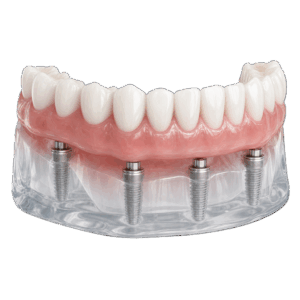
Implant-retained dentures are dentures that attach to dental implants placed in the jaw. The implants act like small anchors. They help hold the denture more firmly in place.
This means the denture is still removable, but it feels more secure than a standard denture.
For many patients, this can make eating, speaking, and smiling feel easier.
How are implant-retained dentures different from normal dentures?
A normal denture rests on the gums. It may rely on suction, fit, or adhesive to stay in place.
An implant-retained denture connects to implants. This gives it extra support.
The main difference is stability. Implant-retained dentures can reduce movement and help patients feel more confident during daily life.
Can implants help if my lower denture moves?
Lower dentures often feel less secure than upper dentures. This is because the lower jaw has less surface area for the denture to rest on. The tongue can also move the denture during speech and eating.
Implants can be especially helpful for lower dentures. Even a small number of implants may improve support and reduce movement.
Your dentist will check your mouth, gums, and bone before advising what is possible.
Do I need a full set of implants?
Not always. You may not need one implant for every missing tooth.
For an implant overdenture, a small number of implants can often support a removable denture. The exact number depends on your mouth, bone levels, and treatment plan.
This is why a consultation is important. Your dentist can explain whether implant-retained dentures, fixed implants, or a new standard denture would suit you better.
Who is suitable for implant-retained dentures?
You may be suitable if:
- your dentures move when you eat
- your dentures rub or feel sore
- you avoid hard or chewy foods
- you feel nervous when speaking
- you use denture adhesive often
- you want more stability than standard dentures
- you have enough healthy bone for implants
- your gums are healthy enough for treatment
If you have gum disease or bone loss, this may need to be treated first.
What if I have bone loss?
Bone loss is common after teeth have been missing for a long time. It does not always mean implants are impossible.
Your dentist may use scans to check the amount and shape of your bone. In some cases, bone grafting may be discussed. In other cases, a different implant plan may be possible.
A full assessment helps avoid guesswork.
Will implant-retained dentures feel like natural teeth?
They may not feel exactly like natural teeth, but they can feel much more stable than loose dentures.
Patients often choose this option because they want better comfort and confidence, without moving straight to a fully fixed set of implant teeth.
Implant-retained dentures can help you chew more comfortably and worry less about denture movement.
Is the treatment painful?
Implant treatment is usually carried out with local anaesthetic. This means the area is numbed during the procedure.
You may feel pressure, but you should not feel sharp pain. Some swelling or soreness can happen afterwards. Your dentist will give you clear aftercare advice to help with healing.
If you feel nervous, tell your dentist before treatment. They can explain ways to make the visit more comfortable.
How long does treatment take?
Treatment time depends on your mouth and whether any extra care is needed first.
The process may include:
- consultation and denture assessment
- scans and treatment planning
- gum or bone treatment if needed
- implant placement
- healing time
- denture attachment or new denture fitting
- reviews and aftercare
Some patients may be able to adapt an existing denture. Others may need a new denture made for the implants.
How do I care for implant-retained dentures?
Implant-retained dentures need daily care. The denture should be cleaned, and the gums and implants need to stay healthy.
You should:
- clean the denture every day
- brush your gums and implant attachments gently
- clean around the implants as advised
- attend dental check-ups
- see the hygienist as recommended
- avoid smoking if possible
- report rubbing, soreness, or looseness early
Good care helps protect the implants and keeps the denture comfortable.
When should I ask for help?
You should book a consultation if:
- your dentures move when eating
- your denture feels painful
- you avoid foods you used to enjoy
- you feel embarrassed when speaking
- your denture clicks or lifts
- you rely on adhesive every day
- you are searching for a dentist near me because your dentures no longer feel right
It is better to get advice early, before sore spots or bite problems get worse.
Final thoughts
Loose dentures can affect your comfort, confidence, and quality of life. You may not need to accept slipping, rubbing, or daily denture adhesive as normal.
Implant-retained dentures can give removable dentures extra support. They may help you eat, speak, and smile with more confidence.
At London Dental Arts, we can assess your dentures, gums, and bone health, then explain your options clearly. From a better-fitting denture to an implant overdenture, the right choice depends on your mouth and your goals.
FAQs
What is an implant overdenture?
An implant overdenture is a removable denture that attaches to dental implants. The implants help hold the denture more securely than a standard denture.
Are implant-retained dentures fixed?
They are usually removable. They attach to implants for extra stability, but you can take them out for cleaning.
Can implants stop my dentures moving?
They can greatly reduce movement for many patients. Your dentist will need to check your bone and gum health first.
Do I need new dentures for implant-retained dentures?
Sometimes, yes. Some existing dentures may be adapted, but many patients need a new denture designed to fit the implant attachments.
Are implant-retained dentures better than normal dentures?
They are often more stable and comfortable than standard dentures. However, the best option depends on your oral health, budget, and treatment goals.