Why Do I Grind My Teeth at Night?
Waking up with jaw pain, headaches, or sensitive teeth can be confusing. You may not realise you grind your teeth while you sleep. Many people only find out when a dentist spots worn teeth, small cracks, or signs of pressure. If you are looking into Dental Bruxism Forest Hill, this guide explains what may be happening and when to get help.
At London Dental Arts, we often see patients who say, “I think I clench my teeth, but I’m not sure.” Teeth grinding, also called bruxism, can be mild at first. But over time, it can damage your teeth, strain your jaw, and affect your comfort.
What is dental bruxism?
Dental bruxism means grinding or clenching your teeth. It can happen during the day or at night.
Night-time grinding is harder to notice because you are asleep. You may only notice the effects the next morning.
Common signs include:
- jaw pain when you wake up
- headaches
- sensitive teeth
- worn tooth edges
- chipped teeth
- cracked fillings
- tight facial muscles
- pain around the ears
- clicking or aching in the jaw
- poor sleep
Some patients are told by a partner that they grind their teeth at night. Others only find out during a dental check-up.
Why do people grind their teeth?
There is not always one clear cause. Teeth grinding can be linked to several factors.
These may include:
- stress
- anxiety
- poor sleep
- bite problems
- missing teeth
- jaw tension
- certain lifestyle habits
- some medications
- sleep-related breathing issues
For many people, stress plays a big role. But it is not the only reason. That is why a dental assessment is important.
Why is night-time grinding a problem?
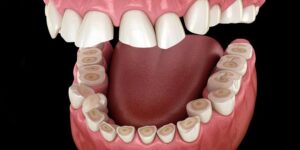
Your teeth are strong, but they are not designed to cope with heavy grinding every night.
Over time, bruxism may cause:
- tooth wear
- broken or chipped teeth
- cracked crowns or fillings
- gum irritation
- jaw pain
- muscle tension
- tooth sensitivity
- changes to your bite
The damage can build slowly. You may not feel pain at first. But once teeth start to wear down or crack, treatment can become more complex.
How do I know if I grind my teeth?
You may grind your teeth if you often wake up with jaw tension or headaches. You may also notice your teeth look shorter, flatter, or more worn than before.
Other signs include:
- teeth feeling tender in the morning
- pain when chewing
- unexplained chips
- rough tooth edges
- pain near the temples
- jaw clicking
- tightness in the face or neck
If these symptoms sound familiar, you may want to book an assessment for teeth grinding treatment Forest Hill.
Can grinding cause chipped teeth?
Yes. Repeated grinding can place strong pressure on your teeth. This can cause small cracks, chips, or worn edges.
It can also damage dental work such as fillings, veneers, crowns, or bonding.
If your teeth keep chipping, the issue may not only be the tooth itself. The bite and grinding habit may also need to be checked.
Can grinding cause jaw pain?
Yes. Bruxism can overwork the jaw muscles. This may lead to morning jaw pain, facial tightness, or headaches.
Some patients feel pain around the ears. This can feel like an ear problem, but it may come from the jaw joint or surrounding muscles.
If you keep searching for a jaw pain dentist near me, it may be worth asking whether bruxism could be part of the problem.
What can a dentist do for teeth grinding?
A dentist can check for signs of grinding and assess your bite. They may look for tooth wear, cracks, gum changes, and pressure marks.
They may also ask about your sleep, stress, headaches, jaw pain, and dental history.
Treatment depends on the cause and the damage already present. The aim is to protect your teeth and reduce pressure where possible.
What is a night guard?
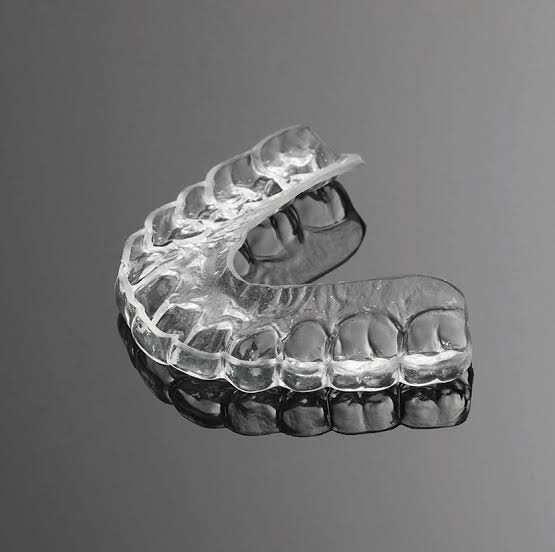
A night guard is a custom-made appliance worn while you sleep. It sits over your teeth and helps protect them from grinding pressure.
It does not always stop the grinding habit completely. But it can reduce damage to your teeth and dental work.
A custom night guard is different from a shop-bought mouthguard. It is made to fit your mouth more closely and is designed for dental use.
If you are looking for a night guard dentist Forest Hill, a dental consultation can help confirm whether this is the right option for you.
Is a night guard enough?
Sometimes, yes. Sometimes, no.
A night guard can protect the teeth, but your dentist may also need to look at the wider picture.
This may include:
- your bite
- missing teeth
- worn fillings
- stress triggers
- sleep quality
- jaw joint symptoms
- damaged teeth that need repair
If bruxism has already caused cracks, chips, or severe wear, you may need restorative treatment too.
Can stress cause teeth grinding?
Stress can be a major trigger. Many patients clench their jaw during busy or difficult periods. This can continue during sleep.
You may notice symptoms get worse during work pressure, exams, life changes, or poor sleep.
Stress management may help, but it should not replace dental care if your teeth are already showing signs of damage.
Can children grind their teeth?
Yes. Children can grind their teeth too. In many cases, it can improve as they grow. But if your child has pain, tooth wear, or sleep problems, it is worth asking a dentist for advice.
This blog is mainly for adults, but the same rule applies: pain, damage, or ongoing symptoms should be checked.
What happens if I ignore teeth grinding?
If bruxism is left untreated, it may lead to more dental problems over time.
You may need treatment for:
- chipped teeth
- cracked teeth
- broken fillings
- worn enamel
- sensitive teeth
- damaged crowns
- jaw pain
- bite changes
Early advice can help prevent small problems from becoming bigger ones.
When should I book a dental appointment?
You should book a consultation if:
- you wake up with jaw pain
- you get regular morning headaches
- your teeth feel sensitive
- your teeth look worn or shorter
- you keep chipping teeth
- your fillings or crowns keep breaking
- your jaw clicks or aches
- someone has told you that you grind your teeth
- you feel you clench during the day
A dentist can check whether bruxism is causing damage and explain your options clearly.
Final thoughts
Teeth grinding can be easy to miss, especially when it happens at night. But the signs often appear in the teeth, jaw, and facial muscles.
If you wake up with jaw pain, headaches, or sensitive teeth, do not ignore it. A dental assessment can help find the cause and protect your smile.
At London Dental Arts, we can check for signs of bruxism, explain what is happening, and advise whether a custom night guard or further treatment may help.
FAQs
What causes teeth grinding at night?
Teeth grinding can be linked to stress, poor sleep, bite issues, jaw tension, missing teeth, or sleep-related problems. Sometimes there is more than one cause.
Can teeth grinding damage my teeth?
Yes. Bruxism can wear teeth down, chip teeth, crack fillings, and damage crowns or veneers over time.
Will a night guard stop me grinding?
A night guard may not stop the habit completely, but it can help protect your teeth from damage while you sleep.
How do I know if I need a night guard?
You may need one if you have tooth wear, jaw pain, morning headaches, or signs of grinding. A dentist can confirm this after an assessment.
Can teeth grinding cause headaches?
Yes. Grinding can overwork the jaw and facial muscles. This can lead to morning headaches or pain around the temples.