Do I Need a Sinus Lift Before Dental Implants?
Being told you may need a sinus lift can sound worrying. Many patients have never heard of it before. If you are looking into Sinus Lift treatment Forest Hill, it helps to understand why this treatment may be needed and how it can support dental implant treatment.
At London Dental Arts, patients often ask, “Why do my sinuses matter if I want dental implants?” The answer is simple. The sinus sits close to the upper back teeth. If there is not enough bone in this area, a sinus lift may help create better support for an implant.
Why are upper back teeth different?
The upper back teeth sit close to the maxillary sinuses. These are air-filled spaces behind your cheeks and above your upper jaw.
When an upper back tooth is lost, the bone in that area may shrink over time. At the same time, the sinus may sit low in the jaw. This can leave less space for a dental implant.
That is why upper jaw implants Forest Hill patients often need careful planning before treatment begins.
What is a sinus lift?
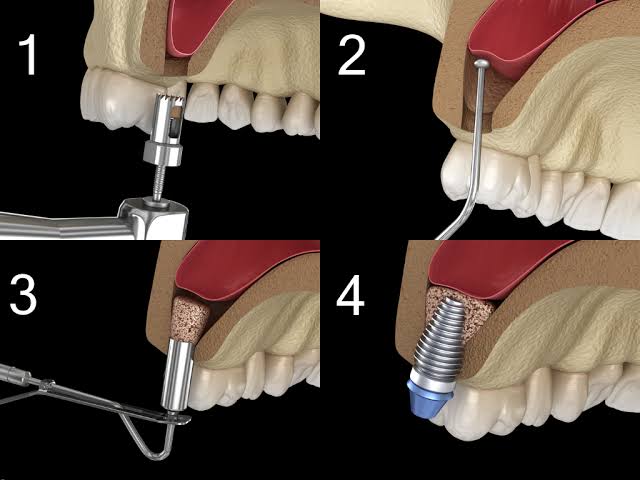
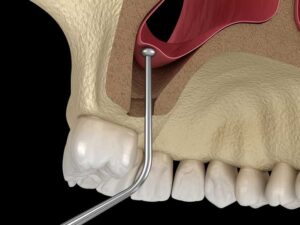
A sinus lift is a bone grafting procedure used in the upper jaw. It gently lifts the sinus membrane and adds bone material underneath it.
The aim is to increase the amount of bone in the upper back jaw. This can help create a stronger base for a future dental implant.
A sinus lift does not treat sinus problems. It is used to prepare the jaw for implant treatment when bone height is low.
Why might I need a sinus lift?
You may need a sinus lift if there is not enough bone between your mouth and your sinus.
This can happen because of:
- missing upper back teeth
- bone shrinkage after tooth loss
- gum disease
- long-term denture use
- natural sinus shape
- previous infection
- trauma or difficult extractions
Many patients do not know they have low bone in this area until they have an implant consultation.
Does needing a sinus lift mean I cannot have implants?
No. In many cases, a sinus lift makes implant treatment possible.
Being told you need a sinus lift can feel like bad news. But it often means your dentist is planning treatment carefully. The aim is to avoid placing an implant where there is not enough support.
A sinus lift may improve the foundation for the implant and help with long-term stability.
How does the dentist check if I need one?
Your dentist will usually use a 3D scan to check the upper jaw. This helps them see the bone, sinus position, and nearby structures.
The scan can show:
- how much bone is available
- how close the sinus is
- whether grafting is needed
- the best position for the implant
- whether the sinus lift and implant can be done together
- whether healing time is needed first
This planning stage is important. It helps your dentist choose the safest and most suitable approach.
Can the implant be placed at the same time?
Sometimes, yes. Sometimes, no.
If there is enough existing bone to hold the implant steady, the sinus lift and implant may be done during the same appointment.
If there is very little bone, the sinus lift may need to heal first. The implant can then be placed later.
Your dentist will explain which option is suitable after checking your scan.
Is a sinus lift painful?
A sinus lift is usually carried out with local anaesthetic. This means the area is numbed during treatment.
You should not feel sharp pain during the procedure. You may feel pressure or movement. Some swelling, tenderness, or mild bruising can happen afterwards.
Your dentist will give you clear aftercare advice. This may include avoiding nose blowing, heavy exercise, or pressure changes for a short time while the area heals.
How long does healing take?
Healing time depends on the size of the graft and your treatment plan.
Some patients may have the implant placed at the same time. Others may need to wait while the graft becomes strong enough to support an implant.
Your dentist will give you a personal timeline before treatment begins. It is important not to rush this stage, because good healing helps support the final result.
What should I avoid after a sinus lift?
Your dentist will give you exact instructions. In general, you may be asked to avoid:
- blowing your nose
- using straws
- smoking
- heavy lifting
- intense exercise
- flying too soon, if advised
- touching the surgical area
- sneezing with your mouth closed
These steps help protect the graft and sinus membrane while healing starts.
What happens if I do not have a sinus lift?
If a sinus lift is needed and you choose not to have it, an implant may not be suitable in that area.
Other options may still be possible, such as:
- a dental bridge
- a removable denture
- a different implant plan
- bone grafting in another form
Your dentist should explain the benefits and limits of each option. The right choice depends on your mouth, your bone level, and your goals.
Who is suitable for a sinus lift?
You may be suitable if:
- you have missing upper back teeth
- you want dental implants in the upper jaw
- you have been told you do not have enough bone
- your sinus sits close to the jawbone
- you have worn dentures for a long time
- your gums are healthy enough for implant treatment
- you are searching for an implant dentist near me because you want clear advice before deciding
A full assessment is the best way to know whether a sinus lift is needed.
Can sinus lifts be avoided?
Sometimes, a different implant plan may avoid the need for a sinus lift. This depends on the amount of bone available and the position of the missing tooth.
But in other cases, a sinus lift is the most suitable way to create safe support for an implant.
Your dentist will look at your scan and explain all realistic options.
Final thoughts
A sinus lift may sound complex, but it is a common part of implant planning for upper back teeth. It can help rebuild bone where the sinus sits close to the jaw.
If you have been told you need a sinus lift, it does not mean implants are impossible. It often means your dentist is taking the right steps to plan treatment safely.
At London Dental Arts, we can assess your jawbone, sinus position, and implant options carefully. You will get clear advice, a realistic timeline, and a treatment plan based on your mouth.
FAQs
What is a sinus lift?
A sinus lift is a bone grafting treatment for the upper jaw. It adds bone below the sinus to help support a dental implant.
Why do I need a sinus lift before an implant?
You may need one if there is not enough bone in the upper back jaw. This often happens after tooth loss or natural bone shrinkage.
Is a sinus lift the same as sinus surgery?
No. A sinus lift is not done to treat sinus illness. It is used to prepare the upper jaw for dental implants.
Can I have the implant at the same time as the sinus lift?
Sometimes. It depends on how much bone is already available. Your dentist will confirm this after a scan.
Is sinus lift treatment painful?
The area is numbed during treatment. Some soreness or swelling can happen afterwards, but your dentist will explain how to manage this.