I’ve Been Told I Don’t Have Enough Bone for Implants — What Happens Next?

Being told you do not have enough bone for dental implants can feel disappointing. You may have already decided you want a fixed tooth replacement. Then suddenly, the treatment sounds more complex. If you are looking into bone graft treatment Forest Hill, it helps to understand why bone matters and what your options may be.
At London Dental Arts, patients often ask, “Does this mean I cannot have implants?” In many cases, the answer is no. Low bone volume does not always stop implant treatment. It just means your dentist needs to plan carefully.
Why do dental implants need enough bone?
A dental implant is placed into the jawbone. It acts like an artificial tooth root. For the implant to stay stable, it needs enough healthy bone around it.
If there is not enough bone, the implant may not have the support it needs. This can affect the long-term success of treatment.
That is why bone checks are an important part of implant planning London patients should expect before starting treatment.
Why does jawbone shrink after tooth loss?
Your jawbone needs pressure from tooth roots to stay strong. When a tooth is removed, that area no longer gets the same daily stimulation from chewing.
Over time, the bone can shrink in height, width, or both.
Bone loss may happen because of:
- missing teeth left untreated
- gum disease
- infection around a tooth
- trauma or injury
- long-term denture use
- ageing
- previous difficult extractions
This bone loss often happens slowly. Many patients do not notice it until they start exploring dental implants.
What is a bone graft?
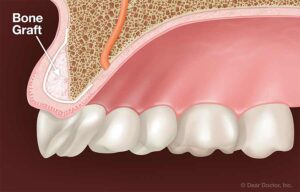
A bone graft is a treatment used to rebuild or support the jawbone. It adds bone material to an area where bone volume is low.
The aim is to create a stronger foundation for a future dental implant.
Bone grafting may be used before implant placement or sometimes at the same time as implant treatment. This depends on your mouth, your scan results, and how much bone is needed.
Does needing a bone graft mean my case is serious?
Not always. Bone grafting is a common part of implant dentistry. Many people need extra bone support before implants can be placed.
It does not mean you have done anything wrong. It also does not mean implant treatment is impossible.
It simply means your dentist needs to prepare the area properly before placing the implant.
How does the dentist check my bone?
Your dentist may use a dental scan to see the shape and amount of bone in your jaw. This gives much more detail than a standard check-up.
The scan can help your dentist check:
- bone height
- bone width
- nearby nerves
- sinus position
- gum and tooth condition
- the best implant position
- whether grafting may be needed
This planning stage is important because every mouth is different.
What happens during bone graft treatment?
The exact process depends on your case. In simple terms, bone graft material is placed in the area where more support is needed. The gum is then closed so the area can heal.
Over time, the grafted area becomes stronger and more suitable for implant placement.
Your dentist will explain the treatment steps before anything begins. They will also tell you whether the graft can be done with the implant or whether it needs to heal first.
How long does a bone graft take to heal?
Healing time varies from person to person. Some small grafts may heal faster. Larger grafts may need more time before implant treatment can continue.
Your dentist will give you a clear timeline based on your scan and treatment plan.
It is important not to rush this stage. Good healing helps create a better base for the implant.
Is bone grafting painful?
Bone grafting is usually carried out with local anaesthetic. This means the area is numbed during treatment.
You should not feel sharp pain during the procedure. Some soreness, swelling, or bruising can happen afterwards. This is usually managed with aftercare advice and suitable pain relief.
If you feel nervous, tell your dentist. They can talk you through comfort options before treatment starts.
Can I avoid bone grafting?
Sometimes, yes. Sometimes, no.
It depends on:
- how much bone is missing
- where the missing tooth is
- how long the tooth has been missing
- the type of implant being planned
- your bite
- your gum health
- your overall oral health
In some cases, a different implant position or treatment plan may avoid grafting. In other cases, grafting is the safest way to support the implant.
This is why a full consultation is important.
What happens if I choose not to have a bone graft?
If a bone graft is recommended and you choose not to have it, implant treatment may not be suitable in that area.
Other options may still be possible, such as:
- a dental bridge
- a removable denture
- implant-retained dentures
- a different implant plan
Your dentist should explain each option clearly, including the benefits and limits.
How can I improve healing after bone grafting?
Your dentist will give you personal aftercare advice. In general, you may be asked to:
- keep the area clean
- avoid smoking
- follow your medication instructions
- avoid hard foods at first
- avoid touching the area
- attend review appointments
- contact the practice if swelling or pain gets worse
Good aftercare helps protect the graft while it heals.
When should I book a consultation?
You should book a consultation if:
- you have been told you do not have enough bone
- you want dental implants but had teeth removed years ago
- you wear dentures and want a fixed option
- you have missing back teeth in the upper jaw
- you have gum disease history
- you are comparing implant options
- you are searching for a dental practice near me that can explain grafting clearly
A proper assessment can help you understand whether bone grafting is needed and what your next step should be.
Final thoughts
Being told you do not have enough bone for implants can sound worrying. But it does not always mean implants are off the table.
Bone grafting can help rebuild support where bone has been lost. It may make implant treatment safer, stronger, and more predictable.
At London Dental Arts, we can assess your bone, gums, and implant options carefully. You will get clear advice, a realistic timeline, and a treatment plan based on your mouth.
FAQs
What is bone grafting for dental implants?
Bone grafting is a treatment used to rebuild jawbone where there is not enough support for a dental implant.
Why do I need a bone graft before an implant?
You may need a bone graft if the jawbone has shrunk after tooth loss, gum disease, infection, or long-term denture use.
Can I still have implants if I have bone loss?
Possibly. Many patients with bone loss can still have implants after careful planning. Some may need grafting first.
Is bone grafting painful?
The area is numbed during treatment. Some soreness or swelling can happen afterwards, but your dentist will give you aftercare advice.
How long after a bone graft can I have an implant?
It depends on the size of the graft and how well the area heals. Your dentist will explain your expected timeline after your assessment.