Several Missing Teeth: Should I Choose Implants, a Bridge, or Dentures?

Losing more than one tooth can affect much more than your smile. It can change how you eat, speak, and bite. If you are looking into Multiple Teeth Implants Forest Hill, you may already feel unsure about the best way to replace several missing teeth.
At London Dental Arts, many patients ask the same question: “Do I need implants, a bridge, or dentures?” The right answer depends on your mouth, your bone health, your budget, and what you want from treatment.
This guide explains the main options in simple terms.
Why several missing teeth should not be ignored
When you lose more than one tooth, the rest of your mouth can start to change.
Missing teeth may lead to:
- trouble chewing
- pressure on the remaining teeth
- teeth moving into the gaps
- changes in your bite
- jaw discomfort
- speech changes
- food trapping
- gum irritation
- bone loss in the jaw
- loss of confidence when smiling
These changes often happen slowly. That is why some people delay treatment. But the longer gaps are left, the more complex treatment can become.
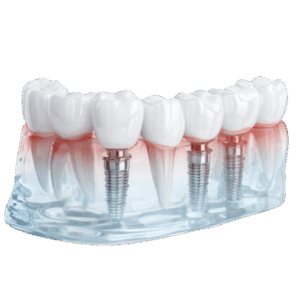
Option 1: Multiple dental implants
Dental implants are small posts placed into the jawbone. They act like artificial tooth roots. Once healed, they can support crowns, bridges, or dentures.
For several missing teeth, you may not need one implant for every missing tooth. In some cases, two implants can support a bridge of three or more teeth.
This can make treatment more stable and comfortable.
Benefits of multiple teeth implants
Multiple teeth implants can help:
- replace missing teeth with a fixed solution
- improve chewing strength
- support the jawbone
- reduce movement of nearby teeth
- feel more secure than removable dentures
- protect natural teeth from extra strain
- improve confidence when eating and speaking
For many patients, implants feel closer to natural teeth than removable options.
Are multiple implants always the best choice?
Not always. A good dentist will assess your whole mouth first.
They may check:
- your gum health
- your bone level
- your bite
- how many teeth are missing
- where the gaps are
- your medical history
- whether you smoke
- your daily cleaning routine
- your treatment goals
If you have gum disease or bone loss, this may need treatment before implants can be placed.
Option 2: A dental bridge
A bridge replaces one or more missing teeth by using support from nearby teeth or implants.
A traditional bridge is usually fixed to the natural teeth on either side of the gap. These teeth may need to be shaped before the bridge is fitted.
A bridge can be a good option for some people. It may be quicker than implant treatment. It can also feel stable because it is fixed in place.
But it may not be right for everyone. If the supporting teeth are healthy, some patients prefer not to have them adjusted. This is one reason implants may be considered instead.
Option 3: Dentures
Dentures are removable replacements for missing teeth. They can replace a few teeth or a full arch.
Modern dentures can look natural. They are often more affordable than implants. They may also be suitable if you are not ready for surgery.
Dentures can help restore your smile and make eating easier. But they may feel less secure than fixed options. Some patients find that dentures move when they eat or speak.
If dentures feel loose, implant-retained dentures may be an option.
Implants, bridge, or dentures: which is right for you?
There is no single best choice for everyone.
A bridge may suit you if:
- you want a fixed option
- the gap is small
- nearby teeth already need crowns
- you want a shorter treatment process
Dentures may suit you if:
- you want a removable option
- you need a more affordable solution
- you are replacing several teeth
- you are not ready for implant surgery
Multiple implants may suit you if:
- you want a fixed and stable option
- you have enough healthy bone
- your gums are healthy
- you want to protect nearby teeth
- you want a long-term tooth replacement option
A consultation is the best way to compare these choices safely.
What if I do not have enough bone for implants?
If teeth have been missing for a long time, the jawbone may shrink. This does not always mean implants are impossible.
Your dentist may suggest a scan to check the bone. In some cases, bone grafting may help rebuild the area before implant treatment.
This is common in implant planning. It helps create stronger support for the implant.
Is implant treatment painful?
Many patients feel nervous about implant treatment. The area is numbed with local anaesthetic during the procedure. This helps keep you comfortable.
You may feel pressure, but you should not feel sharp pain. Mild soreness or swelling can happen afterwards. Your dentist will give you aftercare advice to help healing.
If you are anxious, ask about options that can make treatment feel easier.
How long does treatment take?
Treatment time depends on your case.
It may include:
- consultation
- scans and planning
- gum or bone treatment if needed
- implant placement
- healing time
- final teeth fitting
- aftercare reviews
Some cases are simple. Others need more planning. Your dentist will explain your expected timeline before you decide.
How do I care for multiple dental implants?
Dental implants need good care, just like natural teeth.
You should:
- brush twice a day
- clean between your teeth daily
- visit the hygienist as advised
- attend dental check-ups
- avoid smoking if possible
- wear a night guard if you grind your teeth
Implants cannot get decay, but the gums and bone around them must stay healthy.
When should I see a dentist?
You should book a consultation if:
- you have several missing teeth
- you find it hard to chew
- your dentures feel loose
- your bridge feels uncomfortable
- your teeth are moving
- food gets trapped in gaps
- you are comparing Dental implants in London
- you keep searching for a dentist near me and do not know where to start
A full assessment can help you understand your options clearly.
Final thoughts
Several missing teeth can affect your bite, confidence, and long-term oral health. Implants, bridges, and dentures can all help, but they work in different ways.
The best choice depends on your mouth and your goals. At London Dental Arts, we can assess your teeth, gums, and bone health, then explain your options in clear language.
That way, you can choose the treatment that feels right for you.
FAQs
Do I need one implant for every missing tooth?
Not always. In some cases, two implants can support a bridge that replaces several teeth. Your dentist will explain what is possible after your assessment.
Are implants better than dentures?
Implants are usually more stable than removable dentures. But dentures may still be a good choice for some patients. It depends on your oral health, budget, and goals.
Can I have implants if I already wear dentures?
Possibly. Some patients choose implant-retained dentures for better stability. A scan can show whether you have enough bone.
What happens if I leave several missing teeth untreated?
The remaining teeth may move, your bite may change, and the jawbone may shrink. Chewing can also become harder over time.
How do I know which tooth replacement option is right?
A consultation is the safest way to decide. Your dentist will check your mouth, explain each option, and help you compare the benefits and limits.