I’ve Lost One Tooth — Do I Really Need to Replace It?
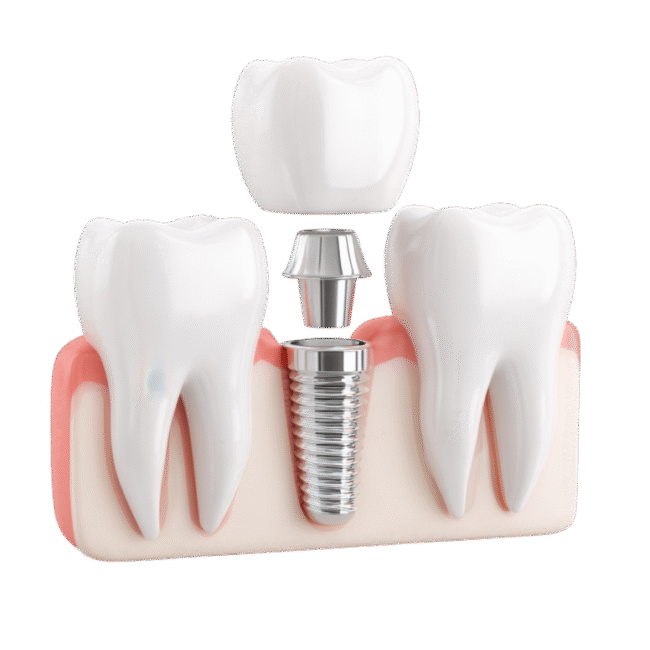
Losing one tooth may not feel urgent at first. You may still be able to eat, speak, and smile. But a missing tooth can cause more problems over time. If you are considering a Single Tooth Implant Forest Hill, it helps to know what can happen if you leave the gap untreated.
At London Dental Arts, we often meet patients who say, “It is only one tooth. Do I really need to do anything?” The answer depends on your mouth, your bite, and the position of the missing tooth. But in many cases, replacing one tooth can help protect your long-term oral health.
Why one missing tooth can matter
A missing tooth is not just a cosmetic issue. Each tooth supports the teeth around it. When one is lost, the neighbouring teeth may slowly move into the space.
This can lead to:
- changes in your bite
- food getting trapped in the gap
- gum irritation
- jaw strain
- more pressure on other teeth
- bone loss in the missing tooth area
- changes to your smile shape
These changes often happen slowly. You may not notice them at first. But once teeth start to move, the treatment may become more complex.
What happens to the bone after tooth loss?
Your jawbone needs stimulation from tooth roots to stay strong. When a tooth is removed, that part of the bone no longer gets the same pressure from chewing.
Over time, the bone can shrink. This is called bone loss. It can affect your gum shape and the support for nearby teeth.
This is one reason dental implants are often recommended. A dental implant replaces the root of the missing tooth. It helps support the bone and creates a strong base for a crown.
What is a single tooth implant?
A single tooth implant is a small titanium post placed into the jawbone. Once it heals, a custom-made crown is attached on top.
The result is designed to look and feel like a natural tooth. It does not rely on the teeth next to it for support.
This makes it different from a bridge, which usually needs support from neighbouring teeth.
Why choose a dental implant instead of leaving the gap?
Some patients leave a gap because it does not hurt. Others worry about the cost or the treatment process. These are normal concerns.
But replacing the tooth can help:
- restore your smile
- improve chewing
- protect nearby teeth
- reduce unwanted tooth movement
- support the jawbone
- improve confidence when speaking or smiling
A single implant can be a long-term solution when planned and cared for well.
Is a single tooth implant always the best option?
Not always. A good dentist in Forest Hill will look at your whole mouth before giving advice.
They may check:
- your gum health
- your bone level
- your bite
- the position of the missing tooth
- your medical history
- whether you smoke
- how long the tooth has been missing
- your budget and goals
For some patients, a bridge or denture may be more suitable. For others, an implant may offer the strongest and most natural-feeling option.
What if the tooth has been missing for years?
You may still be suitable for an implant, even if the tooth was removed a long time ago. But you may need extra planning.
If bone loss has happened, your dentist may suggest a bone graft first. This helps rebuild the area so the implant has better support.
A Forest Hill dentist with experience in implants can assess this with scans and a full consultation.
Does getting a single tooth implant hurt?
Many patients worry about pain. Implant treatment is usually carried out with local anaesthetic. This means the area is numbed during treatment.
Some patients feel pressure, but they should not feel sharp pain. Mild swelling or soreness can happen afterwards. This is usually managed with aftercare advice and suitable pain relief.
If you feel nervous, you can ask about options to make the visit more comfortable.
How long does the treatment take?
The timeline can vary. Some patients may need an extraction first. Some may need bone grafting. Others may be ready for implant placement sooner.
A typical process may include:
- consultation and assessment
- scans and treatment planning
- implant placement
- healing time
- final crown fitting
- aftercare and reviews
Your dentist will explain the expected timeline before treatment starts.
How do I look after a single tooth implant?
A dental implant needs good daily care. It cannot decay like a natural tooth, but the gum and bone around it still need to stay healthy.
You should:
- brush twice a day
- clean between your teeth
- see the hygienist as advised
- attend routine dental check-ups
- avoid smoking if possible
- wear a night guard if you grind your teeth
Good maintenance helps your implant last longer.
When should you book a consultation?
You should book a consultation if:
- you have recently lost a tooth
- you have a gap that bothers you
- food gets trapped in the space
- nearby teeth are moving
- you struggle to chew on one side
- you want a fixed option instead of a denture
- you are comparing dental implants London options
The sooner you get advice, the easier it may be to plan treatment.
Final thoughts
Losing one tooth can feel small, but it can affect your bite, bone, and smile over time. A single tooth implant may help restore the missing tooth while protecting the surrounding teeth.
If you are unsure what to do, the best first step is a consultation. London Dental Arts can assess your mouth and explain your options clearly, so you can choose the treatment that feels right for you.
FAQs
Can I leave one missing tooth untreated?
You can, but it may lead to tooth movement, bite changes, food trapping, and bone loss over time. It is best to get advice before the gap causes more problems.
Is a single tooth implant better than a bridge?
It depends on your mouth. An implant does not usually need support from nearby teeth. A bridge may be quicker in some cases, but it often involves the neighbouring teeth.
How long does a single tooth implant last?
With good care, regular check-ups, and healthy gums, dental implants can last many years. Your dentist will explain what affects long-term success.
Can I have an implant if I have gum disease?
Gum disease needs to be treated first. Healthy gums and bone are important for implant success.
Is a single tooth implant suitable for front teeth?
Yes, many patients choose implants for missing front teeth. Careful planning is important because the result must look natural when you smile.